
Botox vs Fillers for Wrinkles: Clinical Comparison Guide

Botox vs Fillers for Wrinkles: Clinical Comparison Guide

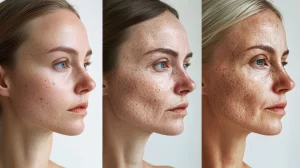
Smoothing a persistent crease doesn’t always begin with filling it. When evaluating Botox vs fillers for wrinkles, using the wrong solution in the wrong facial zone can compromise your natural architecture instead of restoring it. The core principle of non-surgical facial rejuvenation is precise: dynamic lines require muscular relaxation, while hollow deflation calls for structural replenishment.
If you’ve hesitated to pursue cosmetic injectables because you fear an unnaturally frozen brow or an overfilled profile, your caution is entirely justified. It’s common to feel uncertain about the boundary between expressive movement and volume loss, leaving you wondering which treatment honors your authentic features without drawing unwanted attention.
Discover whether neuromodulators or dermal fillers are best suited to naturally, safely, and discreetly rejuvenate your facial concerns. Ahead, we examine the anatomical distinction between dynamic and static wrinkles, clarify which injectable targets specific facial zones, and explore how tailored combination plans restore balanced, youthful harmony.

Key Takeaways

Table of Contents

Dynamic vs Static Wrinkles: The Science Behind Botox vs Fillers for Wrinkles

True facial rejuvenation begins with anatomical clarity. Skin reflects both emotional animation and structural evolution through two distinct physiological pathways: repeated muscular contraction and intrinsic tissue deflation. Deciding between Botox and fillers for wrinkles requires understanding this foundational science. Neuromodulators temper overactive facial muscles to smooth motion-induced creases, whereas dermal fillers restore depleted subcutaneous architecture beneath resting folds.

Understanding Dynamic Expression Lines

Every shared smile, concentrated brow, or subtle squint relies on underlying musculature pulling the skin into motion. Over time, these dynamic actions create identifiable expression lines across high-mobility zones:
Botulinum toxin interrupts this cycle with micro-precision. By intercepting acetylcholine release at the neuromuscular junction, it temporarily calms hyperactive muscle fibers. The overlying skin remains tranquil and smooth. Without this targeted intervention, the relentless mechanical folding breaks down underlying dermal fibers, gradually transforming transient expressions into permanent, etched creases.

Anatomy of Static Lines and Structural Volume Loss

Static wrinkles, by contrast, remain visible even when your face is completely at rest. Rather than stemming from muscular habit, these depressions mirror deeper physiological shifts. As natural aging progresses, facial bone resorption and deep fat pad atrophy remove essential foundational support, allowing the mid-face to shift downward under gravity.

This structural descent manifests as prominent nasolabial folds framing the mouth, downturned marionette lines, and hollowed temples. Neuromodulators cannot correct these shadowed hollows because muscle tone isn’t the underlying culprit. Instead, deploying a sophisticated injectable filler creates internal scaffolding beneath the dermis. High-purity hyaluronic acid gels and biostimulatory agents lift sunken tissue, rebuild youthful contours, and re-establish delicate facial balance from within.

Botox vs Fillers Comparison: Mechanisms, Target Zones, and Longevity

Selecting between Botox vs fillers for wrinkles comes down to how each formula interacts with facial tissues. Neuromodulators work invisibly by relaxing underlying muscular tension, leaving the skin feeling entirely weightless and naturally mobile. Dermal fillers, on the other hand, provide a tangible cushion of structural support. When delivered through precise micro-dosing, neither treatment distorts your authentic character; they simply restore quiet equilibrium.

Upper Face Rejuvenation: The Primary Domain of Neuromodulators

The upper third of the face thrives on expressive movement, making it the primary territory for botulinum toxin. Targeted injections gracefully soften horizontal forehead bands, provide a gentle chemical brow elevation, and erase delicate radiating lines around the outer eye corners. Patients typically notice an initial muscular release within three to five days, with full, seamless refinement by day 14. Because the forehead and periorbital areas move constantly, neuromodulator metabolism is predictable, sustaining a smooth, refreshed appearance for three to four months before retreatment is indicated.

Mid and Lower Face Restoration: Where Dermal Fillers Excel

The mid and lower facial structures demand support against gravitational descent and volume depletion. Dermal fillers shine by rebuilding cheek projection, smoothing hollow tear troughs, and defining the jawline. Hyaluronic acid formulations provide immediate mechanical lift, while advanced biostimulators stimulate progressive collagen synthesis over several weeks. Official FDA guidance on dermal fillers supports the clinical need to place appropriate rheological gels in precise anatomical layers.

Because mid-face tissues remain relatively stable compared to the brow, filler longevity extends significantly. Depending on cross-linking density and placement depth, results generally endure from six months up to two years. Achieving this seamless balance requires a bespoke strategy rather than a standard template, reflecting the curated artistry behind premier cosmetic injectables.

How to Choose the Right Treatment for Your Specific Wrinkles

Determining the right protocol doesn’t require complex medical deciphering. It begins with understanding how your features behave during animation compared to complete rest. Making an informed choice regarding Botox vs fillers for wrinkles requires looking past surface-level blemishes to identify the underlying physiological trigger, whether that is hyperactive muscular pull, structural volume descent, or simple epidermal dehydration.

The Mirror Assessment: Testing Wrinkles at Rest vs in Motion

You can perform a reliable initial assessment at home using natural morning light and a hand mirror. Observe your features under two distinct states:

Avoiding the Pitfalls of Misapplied Treatments

A frequent aesthetic mistake involves using dermal fillers to erase horizontal forehead lines or glabellar furrows. Because the upper forehead moves constantly, placing heavy gel fillers into shallow mobile planes risks visible lumping, unnatural ridges, and serious vascular complications. Dynamic forehead creasing calls for neuromodulators to release underlying muscular tension, not filler to push the crease outward.

Similarly, injecting botulinum toxin into deep nasolabial folds yields disappointing results. Those folds appear when descending mid-face fat pads press against oral retaining ligaments; relaxing the surrounding muscles will not lift that tissue. As highlighted in an expert comparison of Botox and fillers, treating wrinkles effectively depends on matching the injectable mechanism to the exact tissue depth involved. Your age, bone density, and metabolic speed all influence how tissues respond, making a tailored anatomical evaluation essential for achieving soft, authentic refinement.

Combining Neuromodulators and Fillers for Complete Facial Harmony

Viewing facial rejuvenation as an either-or choice between Botox vs fillers for wrinkles creates an artificial division. Genuine facial grace rarely relies on a single modality; it emerges when distinct treatments work in concerted synergy. By addressing hyperdynamic muscular pull and volume depletion simultaneously, clinical practitioners achieve subtle, enduring outcomes that respect your individual facial balance.

The Synergy of Multi-Depth Rejuvenation

Coordinated multi-depth layering creates profound structural benefits. Constant mechanical shear stress from hyperactive facial muscles accelerates filler breakdown in mobile zones, particularly around the mouth and eyes. Pre-treating dynamic muscles with micro-doses of botulinum toxin stabilizes the tissue bed. This mechanical stillness protects underlying hyaluronic acid gels, substantially extending filler longevity. Meanwhile, restoring mid-face cheek projection lifts downward drag, establishing a balanced structural canvas for refined upper-face smoothing.

Full Facial Balancing Over Isolated Line Chasing

Line chasing, the habit of injecting filler directly into every individual fold, invariably causes unnatural puffiness and distorted proportions. Modern clinical aesthetics favors a synchronized anatomical perspective. Designing a bespoke full face beautification plan maps underlying bone structure, fat compartments, and facial kinetics before placing a single drop of product.

This integrated strategy expands beyond corrective gels. Pairing neuromodulators with a regenerative Sculptra collagen stimulator Dubai protocol stimulates progressive neo-collagenesis, rebuilding depleted foundational volume from within. When combined with advanced modalities like Fotona 4D laser treatment Dubai to firm exterior skin laxity, every structural layer is revitalized simultaneously. To discover how harmonized injectables can elevate your natural contours, schedule your bespoke facial consultation today.

What to Expect: Safety, Longevity, and Consultation Standards in Dubai

Achieving exceptional aesthetic outcomes depends as much on clinical rigor as it does on artistic balance. When deciding between Botox vs fillers for wrinkles, patient peace of mind stems from understanding procedural expectations, from the initial pre-treatment consultation to final tissue integration. Non-surgical rejuvenation under experienced medical hands offers zero social downtime, allowing you to return to your daily schedule promptly while subtle enhancements settle quietly into place.

Injection Safety, Anatomical Mastery, and Aftercare

Flawless injection outcomes begin days before your appointment. Under guidance from your aesthetic doctor, pause blood-thinning supplements like omega-3 fish oils, vitamin E, and ginkgo biloba seven days prior to reduce pinpoint bruising risk. During treatment, medical safety centers on complete mastery of facial vasculature:
Immediate post-care remains straightforward. Remain upright for at least four hours following botulinum toxin injections to prevent unwanted product migration. Avoid vigorous workouts, steam rooms, and intense saunas for 24 to 48 hours. Mild transient swelling or slight redness generally clears within 48 hours, revealing smooth, unforced vitality.

The Bespoke Consultation at Dr. Mehri Aesthetic Clinic

Nestled in Jumeirah 3, Dubai, Dr. Mehri Aesthetic Clinic approaches facial aesthetics through a refined, patient-first lens. Founded and led by Dr. Mehri Pourkand, the clinic rejects exaggerated trends and generic treatment packages. Instead, every clinical journey begins with a meticulous anatomical evaluation.
During this private consultation, your practitioner assesses your dynamic musculature, bone framework, and subcutaneous volume distribution. This individualized diagnostic mapping ensures your choice between Botox vs fillers for wrinkles aligns seamlessly with your facial geometry. Your features are treated as an interconnected canvas, unlocking understated elegance, restored self-confidence, and graceful aesthetic harmony. Contact our medical team to reserve your personal aesthetic assessment.

The Bespoke Consultation at Dr. Mehri Aesthetic Clinic

Understanding the distinction in Botox vs fillers for wrinkles reveals that youthful elegance isn’t about freezing movement or altering your identity. Dynamic expression lines soften when underlying muscles gently relax, while resting hollows regain their youthful architecture through targeted structural replenishment. When these modalities unite within a personalized, multi-layered framework, the outcome is effortless balance rather than an overfilled, artificial appearance.
At Dr. Mehri Aesthetic Clinic, situated in a private sanctuary in Jumeirah 3, Dubai, we celebrate quiet luxury and authentic beauty. Led by Dr. Mehri Pourkand, a renowned specialist in cosmetology and non-surgical aesthetic medicine, our practice prioritizes patient-centric care while mastering nuanced facial harmony. By rejecting exaggerated or overfilled trends, we ensure every treatment honors your unique bone structure and dynamic expressions.

Your path toward refreshed confidence begins with an unhurried, expert clinical evaluation. Schedule your bespoke facial rejuvenation consultation today, and embrace an understated aesthetic that remains entirely your own.

Frequently Asked Questions

Can I get Botox and dermal fillers done at the same appointment?
Yes, receiving both during a single clinical session is standard practice. Evaluating Botox vs fillers for wrinkles often reveals that combining them offers superior facial harmony. In our Dubai clinic, practitioners relax dynamic upper-face lines while simultaneously restoring structural mid-face contours. Relaxing adjacent muscles also reduces mechanical shear stress, helping fillers integrate smoothly into deeper tissues without requiring separate recovery periods.
No, an expressionless or frozen appearance results solely from over-dosing and improper anatomical placement. When administered by an experienced aesthetic doctor who respects facial kinetics, botulinum toxin simply softens excessive muscular tension. You’ll retain full, natural emotional expression while fine creases fade. The goal of refined cosmetic injectables is subtle elegance, ensuring nobody suspects you’ve undergone a procedure.
Both treatments involve minimal, very manageable sensation. Botox uses ultra-fine micro-needles that feel like a momentary pinprick lasting just seconds per injection site. Dermal fillers are placed slightly deeper to reach foundational planes, but modern formulations contain integrated lidocaine to numb tissues instantly. Practitioners also apply high-grade topical numbing cream beforehand, ensuring a calm, comfortable luxury clinical experience.
Yes, hyaluronic acid dermal fillers can be completely dissolved using an enzyme called hyaluronidase. If you feel an area appears overfilled or uneven, your aesthetic physician can inject this targeted enzyme to break down the synthetic gel within 24 to 48 hours. This reversibility provides complete peace of mind, though meticulous facial mapping during your consultation virtually eliminates aesthetic missteps.
When comparing Botox vs fillers for wrinkles, their biological lifespans differ significantly based on tissue mobility and formulation. Neuromodulators typically soften movement for three to four months before normal muscle action gradually returns. Dermal fillers, placed in structurally stable areas like the cheeks or temples, last much longer, generally maintaining graceful contour and volume replenishment for six to eighteen months.

There isn’t a fixed chronological milestone because facial aging depends on genetics, sun exposure, and lifestyle. Many people consider preventative neuromodulators in their late twenties or early thirties, when faint dynamic lines linger after smiling or frowning. Dermal fillers are generally introduced later, typically when natural mid-face fat atrophy and structural hollows begin creating persistent shadows at rest. If you’re also considering perioral enhancement, lip fillers can restore delicate vermilion definition and tissue hydration without compromising the fluid movement of your smile.

If you discontinue treatments, your face simply returns to its natural aging trajectory over time. The neuromodulator gradually metabolizes, restoring full muscle motion without worsening original lines. Similarly, dermal fillers slowly dissolve through standard metabolic pathways, returning treated areas to their baseline state. You won’t look suddenly hollowed or aged simply because you chose not to maintain cosmetic injectables.
Share:
More Posts